


Enhancing the Plan with Integrative Nutrition andLifestyle
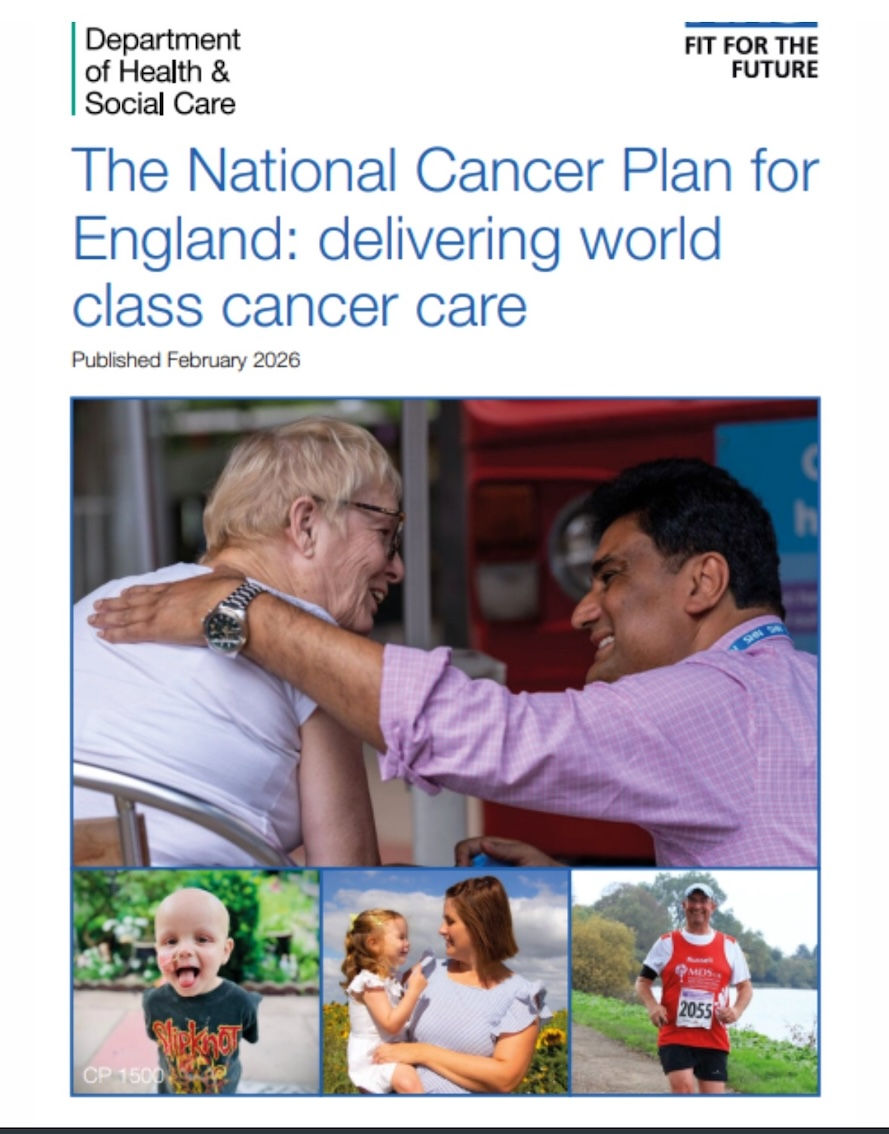
The UK's new National Cancer Plan gives me hope. As a nutritional scientist, integrative oncology practitioner, researcher, and three-time cancer survivor, I welcome its vision: 75% of patients cancer-free or living well five years post-diagnosis by 2035. While transformative in personalisation and equity pledges, the plan underplays nutrition as medicine, metabolic health and integrative oncology and the needs of cancer thrivers who are still working.
The plan briefly references diet in patient care plans and promises future NHS App advice using health data by 2028 but doesn't give clear details. The plan connects lifestyle mainly to physical activity programs and work support rather than detailed nutrition and lifestyle protocols to reduce risk of recurrence.
Strengths: This new plan opens doors for a more holistic approach, and hopefully will lead to integrative oncology, where nutrition and lifestyle supports metabolic resilience and immunity. One of the strengths of the plan is the focus on rehabilitation which improves outcomes by 30-50% via nutrition and physical activity and their synergy. Post-care is addressed via named local care leads for ongoing support, rehab, and & "living well" ambitions, with charity links and employment aid. Personalised plans extend beyond treatment, implying lifestyle for quality of life.
Shortcomings: The advice in the new plan touches on diet and lifestyle but lacks specific guidance on preventing cancer from coming back.
Diet and nutrition
doesn’t include specific recommendations from the World Cancer Research Fund, such as eating less red meat and sugar while increasing fibre-rich foods.
Research shows diets like Mediterranean or ketogenic can reduce recurrence risk by 20-30% by changing how your body processes energy.
The World Cancer Research Fund points out the plan misses opportunities for prevention.
It also fails to address important health factors like controlling blood sugar and reducing inflammation, which are linked to 40% of all cancer cases.
It also focuses mainly on treatment rather than prevention, missing opportunities to address lifestyle factors that impact risk such as alcohol consumption, and promote breastfeeding.
The plan fails to include nutrition strategies like high-protein diets before treatment to maintain muscle strength.
Physical activity
The plan doesn't consider cultural requirements and preferences in exercise recommendations, such as South Asians requiring more physical activity to offset metabolic health
offering yoga or other physical activity options to patients instead of only gym-based programs.
The plan fails to support over 800,000 cancer survivors who are still working, and how they can incorporate physical activity into their working day if they are sedentary.
I have the following ideas that the National Care Plan could:
Include personalised nutrition in care plans:
Use simple tracking apps to monitor blood sugar levels and adapt diets based on individual needs and cultural preferences.
Train cancer nurses in nutrition basics and work with diverse health practitioners who understand gut health's role in preventing cancer's return.
Develop an NHS App feature that gives practical food suggestions to improve gut health.
Create 4-week preparation programs before treatment with anti-inflammatory meals and appropriate exercise options.
Establish community recovery clinics with nutritionists and use fitness trackers to adjust plans as needed.
Ensure rural and underserved communities have access through mobile health units.
Survivorship protocols: Yearly blood tests to check blood sugar and cholesterol levels should be part of every survivor's care plan. Doctors should work with trained nutritionist to then recommend specific eating patterns based on these results. For example, someone carrying extra weight might benefit from time-restricted eating (like having all meals within an 8-hour window) to support autophagy and metabolic health
Decolonised post-care: Community gardens for ancestral foods (e.g., moringa for African diaspora) to build resilience.
Research: Fund trials on metabolic health and therapies (e.g., berberine from traditional medicine) for high-risk groups, integrated via reformed National Cancer Board.
Research shows cancer patients who implement these evidence-based approaches often experience fewer treatment side effects and better long-term outcomes. I offer complimentary consultations to discuss how these strategies might be tailored to your specific diagnosis and circumstances.
Daily anti-inflammatory protocol: Eat more whole foods like berries, leafy greens, turmeric, and fatty fish to reduce inflammation in your body. This inflammation contributes to 40% of cancers. Replace sugary processed foods with high-fibre meals.
These simple changes follow the World Cancer Research Fund guidelines that are part of the plan.
Nutrition for healing: Before cancer treatment, eat protein-rich meals with at least 25g protein (animal or plant-based) and green vegetables to strengthen your body.
New 2028 standards mandate prehabilitation (fitness for treatment) and rehabilitation (post-treatment recovery) with physical activity, explicitly supporting quicker recovery. However, there is little in place in the NHS currently to help return to full mobility and strength. After treatment, you are advised take gentle walks and do yoga or return to your normal exercise in a gradual process to reduce tiredness by 30%, as shown in multiple long term studies. If you would like more personalised rehabilitation, find an exercise oncology professional such as Joshila Devile
Track via NHS App: The new NHS App will let you record what you eat and how you exercise. However, this function is not yet available doesn’t turns general health advice into clear personalised steps you can actually follow to help reduce your risk of cancer or recurrence. Working with a trained nutritionist will help you to personalise your diet


Learning how a Wi-Fi network is configured can be useful even for people who normally rely on automatic settings. 10.0.0.1 piso wifi is a useful search term for understanding local administration, especially when users want to review their own network configuration and resolve basic connectivity concerns.
I appreciate the depth of research and clarity in your writing. This piece provides a fresh and compelling take on the subject. bound by insanity
Just played a few rounds of eggy car and the physics are what kept me going. One small mistake can completely change the run.
I tried Drive Mad unblocked when I wanted a quick browser game without installing anything. The compact levels make it easy to play a few attempts at a time.